















 Idman.biz
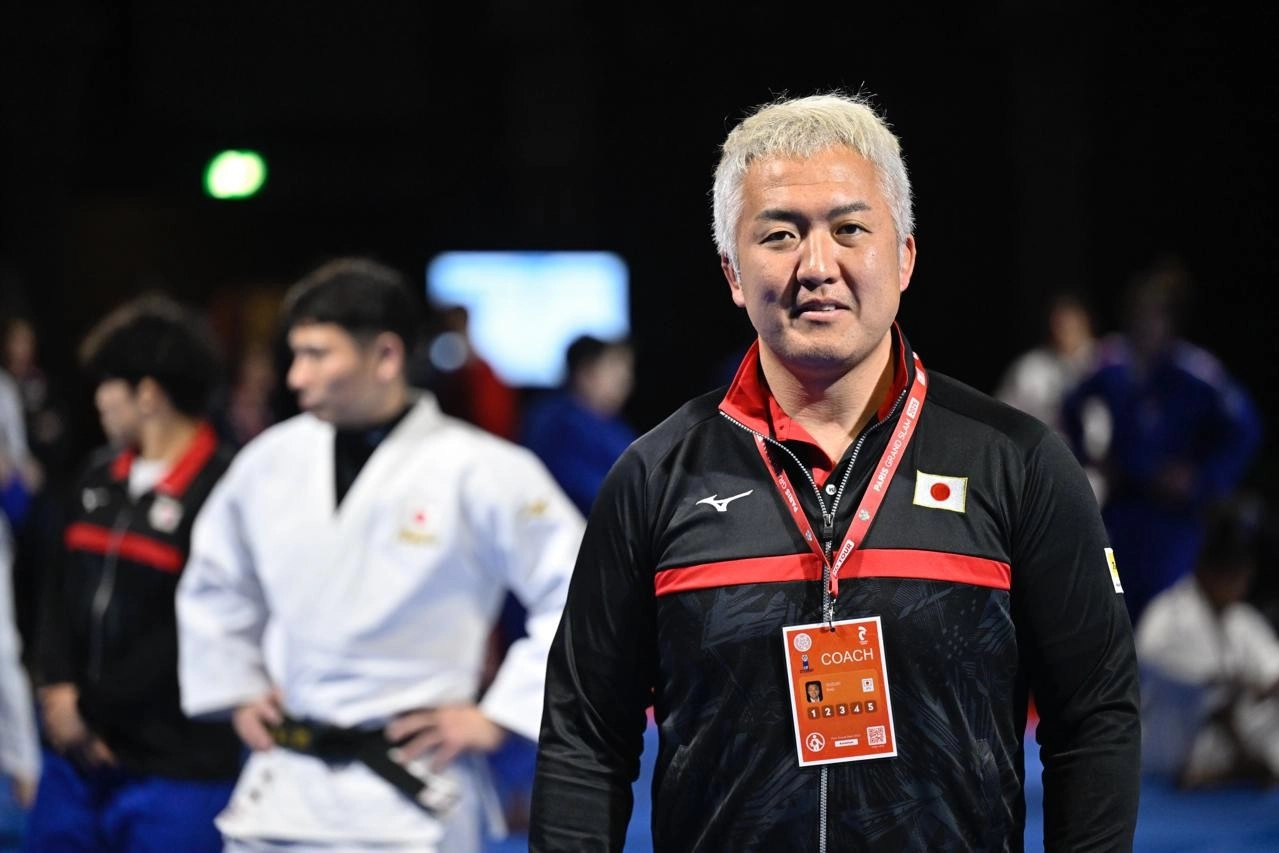
Keiji Suzuki, the gold medalist in judo at the Athens Olympics, has been appointed as the head coach of the Japanese national team after the Paris Summer Olympics. In this role, he brought the team to the "Grand Slam" tournament in Baku last year, and this season he is preparing to take his athletes back to the capital of Azerbaijan – for the World Championship.
K.Suzuki gave an interview to Idman.Biz about the current state of judo's homeland and the plans for the World Championships.
- The Japanese national team won the overall title at the first "Grand Slam" tournaments held in Paris and Tashkent. Is everything going according to plan?
- Overall, we are satisfied with the results. These tournaments showed that our athletes are in good shape and are progressing well on the way to preparing for the main competitions of the season. However, for us, each tournament is not only about medals, but also an opportunity to test young athletes, assess the level of the team and see the points we need to work on. Therefore, we continue to analyze performances and improve preparation.
- How is the preparation for the World Championship in Baku going? Can we say that the team has been largely determined?
- Preparation is continuing according to plan. We are gradually approaching peak form and in the coming months we will focus on both physical training and tactical work. In some weight categories, the team has almost been determined, but in some weights the competition is still high. The final decision will be made closer to the World Championship.
- Is there a specific medal plan for the main start of the season?
- Expectations are always high in the Japanese national team. We strive to compete for a gold medal in every weight category, but we understand that the level of world judo has increased significantly. Therefore, it is important for us not only the number of medals, but also the quality of the fight. It is also important that athletes have self-confidence and are ready to show their best judo on the tatami at that moment.
- In recent years, the Azerbaijani national team has created serious competition for the Japanese. Are you worried about the visit to Baku in this regard?
- The Azerbaijani national team is indeed very strong. There are bright and experienced athletes who regularly win major tournaments. We treat them with great respect. Moreover, performing on their home tatami always gives additional motivation. However, it is these challenges that make competitions interesting and help the development of judo.
- Have the changes in the rules, the return of the "yuko" score, benefited judo?
- Any change in the rules is aimed at the development of our sport and making it more spectacular. The return of the "yuko" score added more dynamics to the matches and gave participants additional opportunities for tactical combat. Of course, it takes time for teams to fully adapt to the new rules, but overall I think it has a positive impact on the process.
- In your opinion, how do the new generation of Japanese judokas differ from the previous ones?
- Today's generation has grown up in a more global and competitive world. They carefully study their rivals, use modern training methods, sports science and analytics. At the same time, we strive to preserve the traditional values of Japanese judo - respect, discipline and striving for excellence. It is the unity of tradition and modern approach that helps our athletes remain competitive in the world arena.