















 Idman.biz
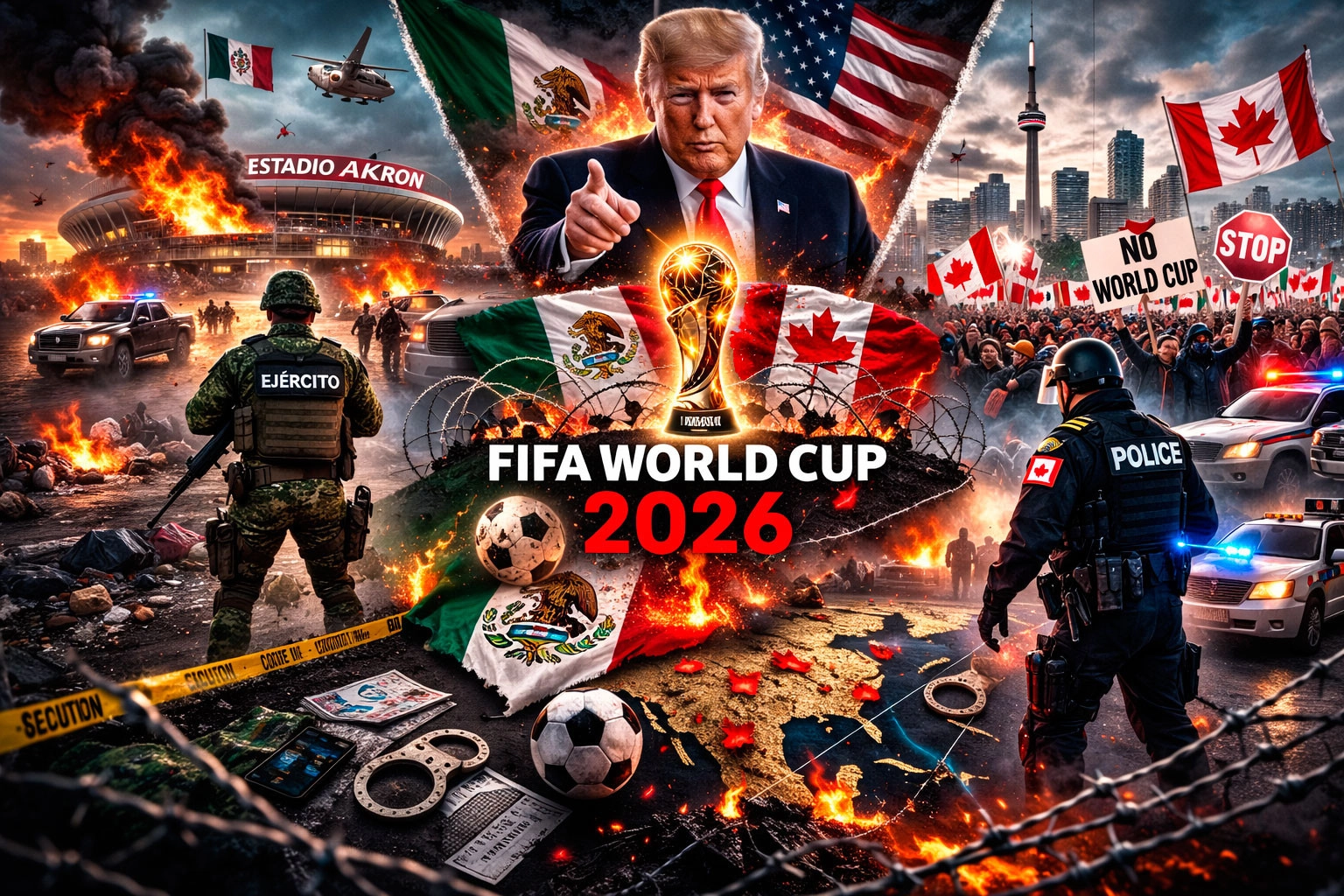
With just four months left until the start of the World Cup, the North American continent faces a serious security crisis. The escalation of the struggle between drug cartels and federal forces in Mexico, one of the main hosts of the tournament, into an open war has triggered alarm bells at FIFA headquarters in Zurich.
Mexico: Guadalajara Has Become a Battlefield
The city of Guadalajara is currently at the center of the tension. The killing of "El Mencho," the leader of the "Jalisco New Generation" cartel (CJNG), as a result of a special operation carried out by the Mexican army, has thrown the city into chaos. According to "The Guardian" and "Associated Press," cartel members responded by burning the city's streets, blocking roads, and organizing attacks on the airport.
The area around the "Estadio Akron" stadium, which will host the 2026 World Cup matches, is also on the agenda with disturbing news. The discovery of the remains of hundreds of people near the arena has drawn international media attention to the terrible aspects of crime statistics in Mexico. Despite official inquiries from FIFA, the possibility of Guadalajara losing its hosting status is increasing day by day.
Canada: Could a Wave of Riots Spread North?
Security risks are not limited to Mexico alone. Western media, especially in the US, includes analytical forecasts that protests against the migration and tariff policies of the Donald Trump administration will also affect Canada. "International SOS" and other security agencies have warned that anti-tournament actions, as well as riots by local groups for political purposes, may occur in Canada. Against the background of the migration crisis, tightening border controls could lead to mass discontent and transportation chaos in cities such as Toronto and Vancouver.
In addition, local activists in Toronto and Vancouver protest the government's spending of millions of dollars on stadiums and foreign security forces (such as US ICE agents) instead of social welfare. Canadian intelligence (CSIS) warns that the scale of the tournament could be an "attractive target" for radical groups. The Vancouver City Council has already seen strong protests against US immigration agents controlling security within the city.
Does FIFA Have a "Plan B"?
Donald Trump's mentioning of the possibility of military intervention against cartels in Mexico and questioning the security of some host cities (such as New York and Los Angeles) has further complicated an already complex situation. The US government's increasing pressure on Mexican President Claudia Sheinbaum creates the risk of turning the sports festival into a political confrontation polygon.
Currently, FIFA's "United 2026" project (the official name of the joint bid by the US, Canada, and Mexico to host the 2026 FIFA World Cup, which was successful) has two options: either move Mexico's, especially Guadalajara's, games to safer areas in the US or Canada, or hold the tournament in risky zones under unprecedented security measures (involving more than 50,000 soldiers and police officers).
Whether this global event, watched by four billion people - the World Cup - will be overshadowed by blood and violence will depend on the radical decisions to be made in the coming weeks.